Travel money
Travel money in United Kingdom: cash or card?
The most card-first country covered here: you can spend a fortnight without touching a note. The things to know are that tax-free shopping was abolished in 2021, and that a Scottish note is not the same as an English one once you cross the border.
pound sterling (GBP, £) · figures checked against the sources at the foot of this page
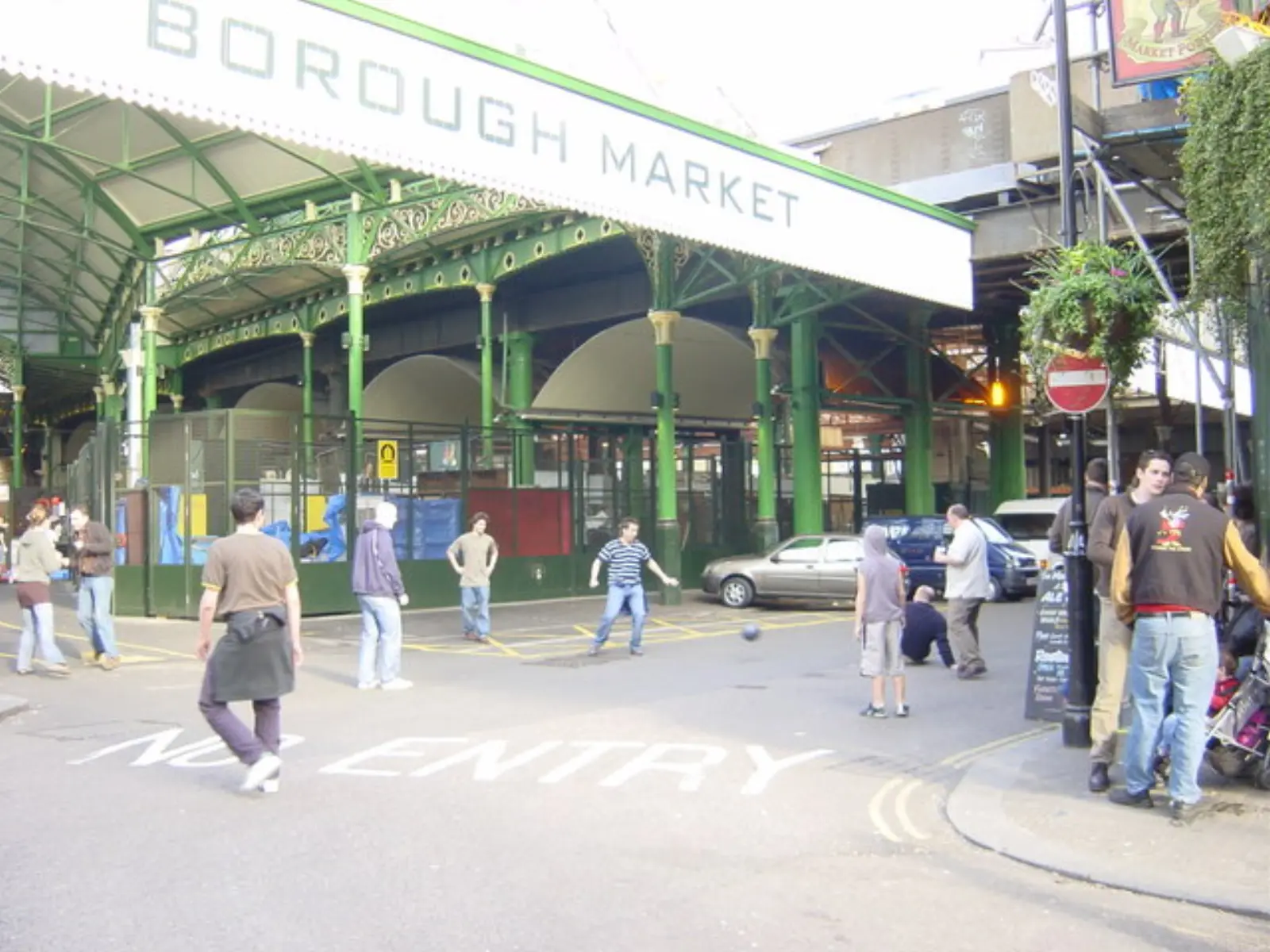
Very little. Some market stalls, a few pubs at the door, tips, and machines in older car parks.
Everything, contactless included, down to a 90p newspaper. Some places take nothing else.
A £10 or £20 note as a backup and nothing more. This is a country where cash is the exception.
Dynamic currency conversion at tills and cash machines — being offered your own currency always costs more.
The money itself
- £5Teal
- £10Orange
- £20Purple
- £50Red
1p, 2p, 5p, 10p, 20p, 50p, £1 and £2. Bank of England notes are polymer and the paper ones are long withdrawn — if someone hands you a paper note as change, it is not spendable and needs to go to a bank.
Scotland and Northern Ireland issue their own banknotes, and they are legal currency rather than legal tender. They spend without comment where they are issued, and a shop in England may lawfully refuse them and occasionally does. If you are travelling south, spend Scottish notes before you go or swap them at a bank.
Every way to pay, and whether it works for a visitor
Whether a payment method exists in United Kingdom and whether you can use it are different questions. This table answers the second one: no local bank account, no local SIM, no residency.
Visa / Mastercard
WorksUniversal, contactless included, for any amount. The national £100 contactless cap was removed in March 2026, so the ceiling on a tap is now whatever your own bank sets rather than a UK rule.
Apple Pay / Google Pay
WorksAccepted everywhere contactless is, with no practical cap because the biometric check counts as verification. It is also the simplest way to pay for transport in London.
American Express
Works, with a catchBetter than in most of Europe — supermarkets, chains, hotels and many restaurants take it — but independent cafés, pubs and small shops still refuse it. Carry a Visa or Mastercard as well.
Cash (pounds)
WorksAccepted, but increasingly the awkward option: a growing number of cafés, bars and venues are card-only and say so at the door. There is no legal obligation on a business to take cash.
Scottish and Northern Irish notes
Depends where you're fromFine where they are issued, and a coin toss in England, where shops may refuse them. They are not Bank of England notes and no business anywhere is obliged to accept them.
Cash
Britain has gone further towards cards than anywhere else in this set. Contactless covers a newspaper, a bus fare, a pint and a supermarket shop, and a meaningful number of businesses — particularly in London — no longer accept cash at all, which they are entitled to do.
What cash is still for: a handful of market stalls, some small pubs and cafés, honesty boxes and parking meters in older towns, and tipping. A single note in your pocket covers all of it, and you may well come home with it.
The one place cash still genuinely matters is outside the cities and off the main roads, where a village shop or a rural pub may have a card minimum or an unreliable connection.
Cards
Chip and PIN and contactless are the norm and have been for years, and the terminal comes to your table in restaurants rather than your card going to a till. Since March 2026 there is no national contactless limit: banks set their own, so the amount you can tap depends on your issuer rather than on where you are standing.
American Express is more useful here than in France or Spain, but still not universal — independents are where it fails. Diners and Discover are worse again.
The UK is a common place to be offered dynamic currency conversion, at tills and cash machines alike, because so many visitors carry euro and dollar cards. Being asked whether you would like to pay in your own currency is always a worse deal: choose pounds.
ATMs
Most British cash machines are free to use, including those at bank branches, supermarkets and larger convenience stores. The charging minority — around a fifth of the network, typically in small shops, pubs and nightlife areas — must display the fee on screen before you confirm, so you always get the chance to walk away.
Cash machines are also disappearing as usage falls, and rural towns can be down to one. If you are heading somewhere small, take what you need while you are still somewhere large.
Whatever machine you use, decline any offer to convert the amount into your home currency and take the pounds.
Changing money
Exchange counters at airports and on tourist streets are the worst rate in the country, and there is no need to use them: cash machines are everywhere, mostly free, and your card is accepted almost universally.
If you want notes in hand before arriving, a supermarket or post office bureau at home usually beats an airport counter at either end. Ordering online for collection is normally better again.
Left with pounds at the end of a trip? They keep, and Bank of England polymer notes do not expire — but do check that any Scottish or Northern Irish notes get spent before you leave, since a foreign bureau will price them poorly if it takes them at all.
Costs that are not the price
The service charge, and what it is now
Restaurants commonly add a discretionary service charge of 12.5%. Since the tipping legislation took effect in 2024, tips and service charges have to be passed to staff in full, which makes leaving it on the bill more meaningful than it used to be. It is still discretionary, and asking for it to be removed is normal and unremarkable.
Tipping outside restaurants
Round up for a taxi, nothing at a bar where you order at the counter, and nothing expected in cafés or shops. Britain does not run on tips.
There is no tourist VAT refund
The retail export scheme was withdrawn on 1 January 2021 and has not returned, so the 20% VAT on your shopping is simply part of the price. The exception is goods shipped directly to an address outside the UK, and a limited scheme that still operates at Northern Irish airports.
Card surcharges are banned
Businesses cannot legally add a fee for paying by consumer debit or credit card. If a price rises when you produce a card, that is not allowed — though a genuine minimum spend for card payments is.
Paying for transport
London is a tap-and-go city
Contactless bank cards and phones work on the Tube, buses, trams, the Overground, the Elizabeth line and most local rail, with daily and weekly capping applied automatically — no Oyster card, no tickets, nothing to buy. Use the same card or device all week so the capping recognises you.
Buses take cards, not cash
London buses have not accepted cash since 2014, and many other city networks have followed. Elsewhere, single fares are usually contactless too, though rural operators can still be cash-only.
National rail is bought ahead
Walk-up fares are among the most expensive in Europe and advance tickets among the cheapest, which makes booking a few days ahead the single biggest saving available to a visitor. Tickets are bought by card online, in an app or at the station.
What you may carry in and out
There is no cash payment limit
Unlike most of Europe, the UK sets no cap on what you may pay in cash. Businesses can decline it — many now do — but no rule prevents a large cash payment.
Declaring cash at the border
Carrying £10,000 or more in cash into or out of Great Britain from anywhere abroad has to be declared to customs, and the same threshold applies travelling between Great Britain and Northern Ireland.
Common questions about money in United Kingdom
Do I need cash in the UK?
Barely. Cards and phones are accepted almost everywhere, including for small amounts, and a growing number of businesses are card-only. Carry a note or two for market stalls, tips and the occasional rural pub, and expect to bring most of it home.
Can tourists claim VAT back in the UK?
No. The retail export scheme was abolished on 1 January 2021 and has not been reinstated, so VAT is part of the price whatever the shop tells you. The only routes left are having goods shipped to an address outside the UK, or the limited scheme that still runs at Northern Irish airports.
What is the contactless limit in the UK?
There is no longer a national one. The £100 cap was removed in March 2026, and banks now set their own limits within regulatory safeguards — so how much you can tap depends on your card issuer rather than on the shop.
Will English shops accept Scottish banknotes?
Sometimes. Scottish and Northern Irish notes are legal currency but not legal tender, and no business anywhere in the UK is obliged to accept them. They pass without comment where they are issued and get refused often enough in England to be worth spending or swapping before you travel south.
Are UK cash machines free?
Roughly four in five are. Free machines are at bank branches, supermarkets and larger stores; the charging minority sit in small shops, pubs and nightlife areas and charge around £1.75–2, which must be shown on screen before you confirm. Your own bank's foreign-use fees are separate.
Can I use my bank card on the London Underground?
Yes, and it is the best way to travel. Tap a contactless card or phone in and out on the Tube, Elizabeth line, Overground and rail, and just in on buses. Fares are capped daily and weekly automatically, so long as you use the same card or device throughout.
Should I tip in the UK?
In restaurants, a discretionary service charge of about 12.5% is often already on the bill — and since 2024 it must be passed to staff in full. If it is not there, 10% is generous. Nothing is expected at a bar where you order at the counter, and nothing in cafés or shops.
Where these figures come from
Checked against the following on . Fees and thresholds move; where a figure varies by bank or by machine, this page gives the range rather than inventing a single number.
- HMRC — VAT refunds for overseas visitors ended in 2021
- Bank of England — legal tender and Scottish and Northern Irish notes
- LINK — charges for cash and the UK ATM network
- Transport for London — pay as you go with contactless
- GOV.UK — declaring cash when you enter or leave the UK
- GOV.UK — tips at work and the allocation of tips legislation