Travel money
Travel money in Spain: cash or card?
Cards work nearly everywhere, so the money you lose here is lost at the cash machine: Spanish banks charge foreign cards a few euros a withdrawal, and the machines in tourist streets charge more and push a bad exchange rate on top.
euro (EUR, €) · figures checked against the sources at the foot of this page
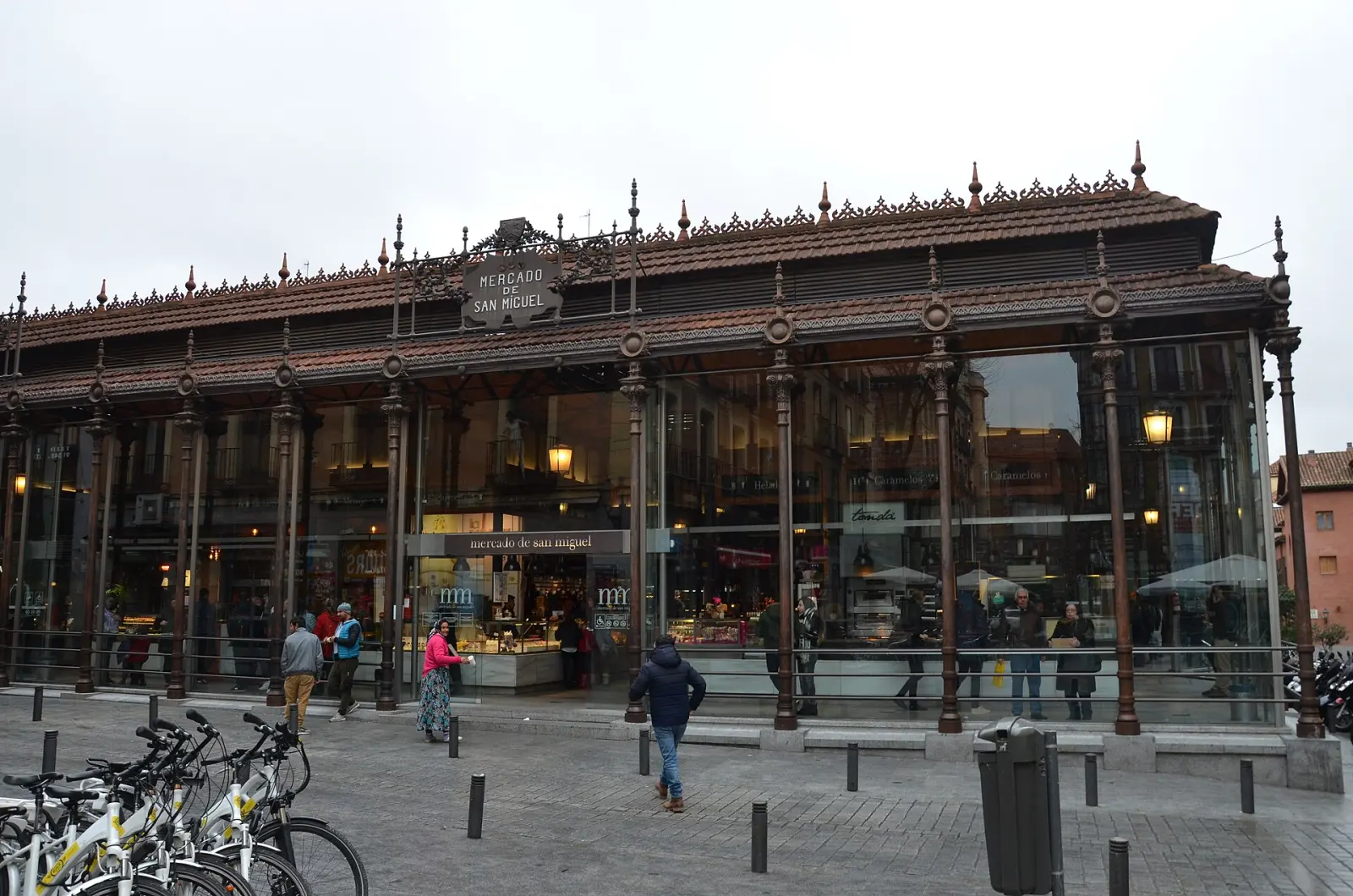
Neighbourhood bars, markets, small tapas places, village businesses and the occasional card minimum.
Everywhere else, contactless included — shops, restaurants, museums, metro gates in Madrid and Barcelona.
A small float of coins and €10s and €20s, topped up rarely rather than often.
Withdrawal surcharges: Spanish banks charge non-customers, and independent machines charge more and push conversion.
The money itself
- €5Grey
- €10Red
- €20Blue
- €50Orange
- €100Green
- €200Yellow-brown
1, 2, 5, 10, 20 and 50 cents, then €1 and €2. Every coin is legal tender across the whole euro area whatever national design is on the back, so change collected in one country spends fine in the next.
Small businesses dislike large notes: a €50 for a €4 coffee gets a look, and €100 and €200 notes are refused outright in plenty of bars. Withdraw amounts that give you €20s, and break anything bigger in a supermarket rather than at the counter of a neighbourhood bar.
Every way to pay, and whether it works for a visitor
Whether a payment method exists in Spain and whether you can use it are different questions. This table answers the second one: no local bank account, no local SIM, no residency.
Visa / Mastercard
WorksAccepted almost everywhere, contactless included, down to small amounts. Spain moved early on cards and it shows: a coffee, a metro ride and a museum ticket all tap without comment.
Apple Pay / Google Pay
WorksWorks anywhere contactless does, and clears amounts above the €50 tap ceiling without a PIN because the biometric check counts as verification.
Cash (euros)
WorksAlways accepted and still the norm in neighbourhood bars, markets and small towns. Cash payments involving a business are capped at €1,000; visitors without Spanish tax residency have a €10,000 ceiling instead.
Bizum
Residents onlyThe instant-payment app Spaniards use for everything from splitting dinner to paying a market stall. It requires a Spanish bank account and a Spanish mobile number, which in turn require an NIE and paperwork — not something a visitor sets up.
American Express
Works, with a catchHotels, department stores like El Corte Inglés and larger restaurants take it. Small bars and independent shops often do not. Second card at best.
Cash
Spain is comfortably card-first and has been for years, but cash keeps a foothold at the bottom end: the neighbourhood bar with a handwritten menu, the market stall, the small tapas place at the end of a street, the village that sees three tourists a year. A working float covers those without turning into a reserve you have to unload later.
Card minimums exist but are less common than in France, and where they appear they are small. The more frequent friction is denomination: a €50 note in a bar for a €4 coffee is awkward, and €100 or €200 notes are refused often enough that they are not worth carrying at all.
Because withdrawing here costs money, plan cash in fewer, larger trips to the machine — the fee is charged per withdrawal, not per euro, so three small top-ups cost three times what one does.
Cards
Contactless is standard, the ceiling is €50 per tap with a physical card, and above that the terminal asks for a PIN. A phone payment is not subject to the cap, so Apple Pay or Google Pay is the smoother way to settle a restaurant bill.
Acceptance is broad enough that the exceptions are worth naming rather than the rule: American Express is patchy outside hotels and department stores, and a handful of small businesses still prefer cash for small amounts. Visa and Mastercard are the safe assumption everywhere else.
Decline dynamic currency conversion. In tourist areas the terminal will offer to charge you in your home currency, and the rate is set by the merchant's processor rather than by your card network — always worse than paying in euros.
ATMs
This is the part of Spain that surprises people who have travelled elsewhere in the euro area. Spanish banks levy their own surcharge on withdrawals made with a foreign card — the machine shows it and asks you to accept before it dispenses — and the amount varies by bank rather than by how much you take. CaixaBank, Santander, BBVA and the rest each set their own.
The independent machines in tourist streets, Euronet foremost among them, charge at the top of that range and pair it with an aggressive conversion offer. The screen is designed so that accepting their exchange rate looks like the safe choice; it is not. Choose euros, always.
Since the charge is per withdrawal, the arithmetic is simple: take out more, less often. Withdraw at a bank's own machine, inside a branch if you can, and treat the machine that finds you in the middle of a tourist street as the expensive option it is.
Changing money
Changing cash is rarely worth it. Bureaux around the main squares in Madrid, Barcelona and Seville advertise 'no commission' and take their margin in the rate instead, and airport counters are worse. A bank ATM, surcharge included, generally still beats them.
If you arrive with another currency, change a token amount for the first hour and use machines after that. Nothing in Spain requires you to be holding euros before you land.
Leftover euros keep their value for the next trip, so there is no reason to convert back and pay a spread in both directions.
Costs that are not the price
Tipping is small and optional
Service is priced in, and Spaniards tip lightly: coins left on the table, rounding up, perhaps 5–10% for a genuinely good meal in a restaurant. There is no obligation and no penalty for leaving nothing.
The terrace price
Many bars charge more for a table outside than at the counter, and the price list posted by the door usually says so. It is a legitimate two-tier price rather than a tourist markup, and standing at the bar is the cheaper choice.
Tourist taxes
Catalonia and the Balearics levy a per-person, per-night tax on accommodation, and other regions have followed. It is usually collected at the property rather than in the booking price, so allow for a small extra at check-out.
The VAT refund has no minimum
Spain dropped its minimum purchase threshold in 2019, so any purchase by a non-EU resident can in principle be refunded. Ask the shop for the form, validate it at a DIVA kiosk at the airport, and expect to receive rather less than the headline 21% once the refund operator has taken its cut.
Paying for transport
Madrid and Barcelona take your bank card at the gate
Madrid Metro accepts contactless bank cards network-wide for single journeys, and TMB in Barcelona takes contactless on metro, bus and tram. A foreign card or a phone works at the validator with nothing to buy in advance — a contrast with Paris, where it still does not.
Trains and long distance
Renfe sells online and at station machines by card, and the AVE high-speed fares behave like airline fares: cheap early, expensive on the day. Buy ahead where you can.
Taxis and rides
Licensed taxis in the cities take cards by law and mostly without argument; app rides are settled in the app. Airport journeys often run on a fixed fare, which is worth confirming before you set off.
What you may carry in and out
Cash payment caps
Cash payments where one side is a business are capped at €1,000. Individuals without Spanish tax residency have a higher ceiling of €10,000. Splitting a payment to stay under the limit is explicitly prohibited.
Carrying cash across the EU border
€10,000 or more in cash entering or leaving the European Union has to be declared to customs. Movements within the EU do not require a declaration, though Spanish customs still take an interest at the airports.
Common questions about money in Spain
Do I need cash in Spain?
Only a little. Cards work nearly everywhere including small amounts, but neighbourhood bars, markets and village businesses still like cash, and a small float saves the occasional awkward moment. Because withdrawals here carry a surcharge, take out a reasonable amount at once rather than topping up repeatedly.
Why does the ATM in Spain charge me a fee?
Because Spanish banks charge non-customers, foreign cards included, and the machine asks you to accept the amount before dispensing. It is typically €2–5 depending on the bank, and independent machines in tourist areas charge at the top of that range. It is separate from anything your own bank charges.
Can tourists use Bizum in Spain?
No. Bizum needs a Spanish bank account tied to a Spanish mobile number, and opening one requires an NIE and residency paperwork. It is what Spaniards use between themselves and with some small businesses; visitors pay by card or cash instead.
Can I pay by card everywhere in Spain?
Very nearly. Shops, restaurants, museums and transport take contactless as standard, including for small purchases. The exceptions are some neighbourhood bars and market stalls, and American Express, which is limited outside hotels and department stores.
Can I tap my bank card on the Madrid or Barcelona metro?
Yes. Madrid Metro takes contactless bank cards at the gates across the network for single journeys, and Barcelona's TMB accepts them on metro, bus and tram. A phone wallet works the same way. The Barcelona airport line surcharge is the notable exception.
How much should I tip in Spain?
Little or nothing. Service is included in the prices, and leaving coins or rounding up is normal; 5–10% is generous and reserved for a good sit-down meal. Nobody depends on tips the way they do in the United States.
Can I claim VAT back in Spain?
If you live outside the EU, yes, and Spain is unusual in having no minimum purchase. Ask the shop for a tax-free form, validate it at a DIVA kiosk before checking in at the airport, and expect the refund to be meaningfully less than 21% after the operator's fee.
Where these figures come from
Checked against the following on . Fees and thresholds move; where a figure varies by bank or by machine, this page gives the range rather than inventing a single number.