Travel money
Travel money in Italy: cash or card?
Cards work everywhere and merchants are legally obliged to take them, so the money to think about here is what gets added to the bill: a per-person coperto, sometimes a service charge, and a nightly tourist tax often collected in cash.
euro (EUR, €) · figures checked against the sources at the foot of this page
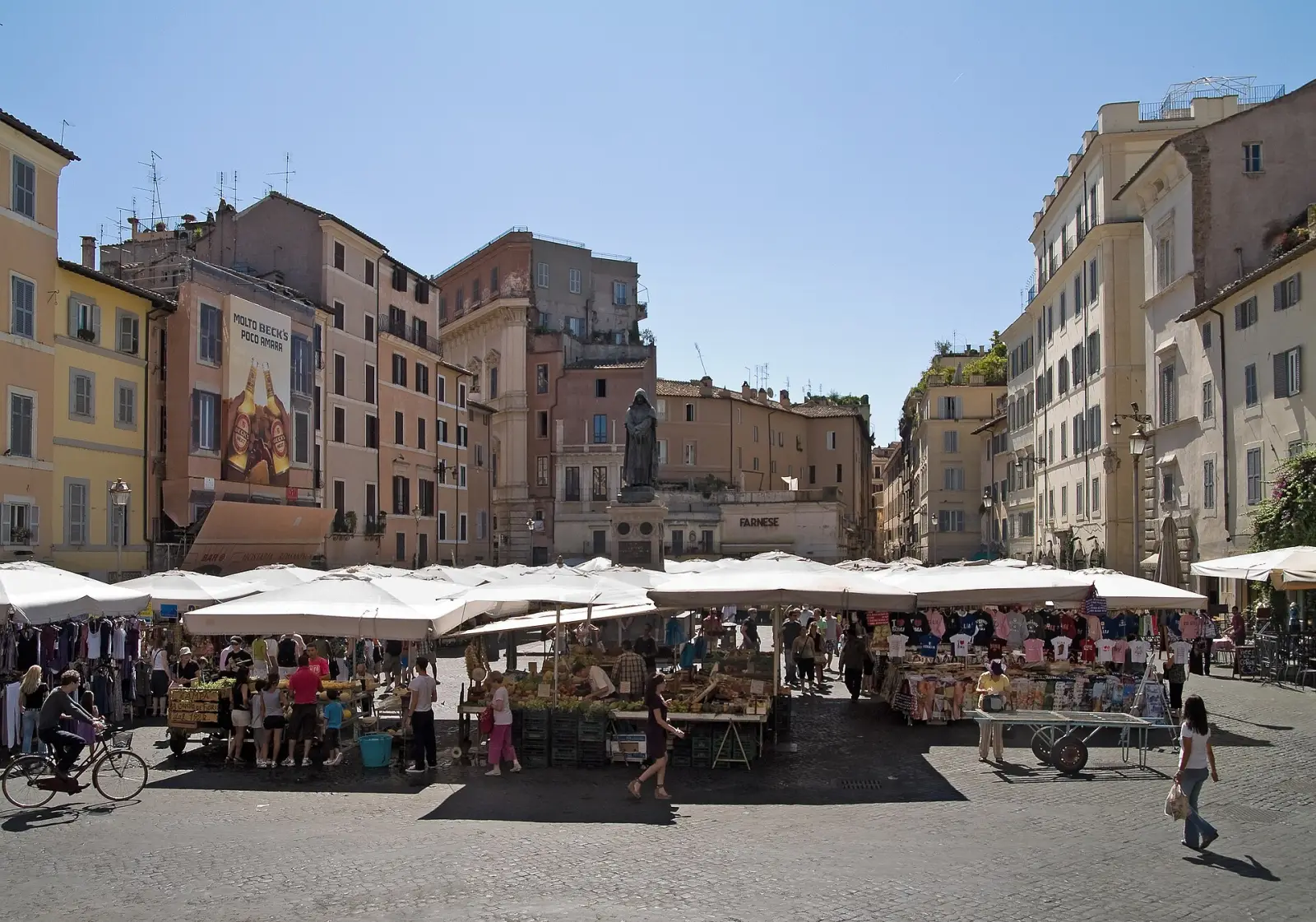
Market stalls, the odd rural trattoria, and the tourist tax your hotel collects at check-in.
Everything else, by law as much as by habit — refusing a card is a finable offence for the business.
A small float in €10s and €20s and some coins. Coffee at the bar is often a cash-sized amount.
Non-bank ATMs in tourist streets and the conversion offer on the screen. Choose euros and use a bank's machine.
The money itself
- €5Grey
- €10Red
- €20Blue
- €50Orange
- €100Green
- €200Yellow-brown
1, 2, 5, 10, 20 and 50 cents, then €1 and €2. Every coin is legal tender across the whole euro area whatever national design is on the back, so change collected in one country spends fine in the next.
The €50 note is the largest a bar will happily take, and €100 and €200 notes cause visible difficulty in small businesses. Withdraw amounts that give you €20s where the machine allows the choice, and break anything larger at a supermarket.
Every way to pay, and whether it works for a visitor
Whether a payment method exists in Italy and whether you can use it are different questions. This table answers the second one: no local bank account, no local SIM, no residency.
Visa / Mastercard
WorksAccepted everywhere, contactless included, and businesses that take payments are required to accept card as well as cash — with fines for refusing. If a merchant claims the terminal is broken for a €4 coffee, that is a choice rather than a rule.
Apple Pay / Google Pay
WorksWorks anywhere contactless does and clears above the €50 tap ceiling without a PIN, since the biometric check counts as verification.
Cash (euros)
WorksAlways accepted, and the practical choice for market stalls and the tourist tax. Cash payments are capped at €5,000, with a higher allowance for foreign visitors that a shop has to arrange with the tax authority in advance.
Satispay
Residents onlyThe Italian payment app you will see stickered on tills. It runs off a European IBAN, so a visitor from another EU country can in principle use it; everyone else cannot, and nothing here requires it.
American Express
Works, with a catchHotels, department stores and larger restaurants take it; neighbourhood trattorias and small shops frequently do not. Fine as a second card.
Cash
Italy is a card country that used to be a cash country, and the change was legislated rather than cultural. Businesses must accept electronic payment alongside cash and can be fined for refusing, so the old routine of being told the terminal is down has become rarer — though not extinct, particularly for small amounts in places that see a lot of tourists.
Cash still has its uses: market stalls, the occasional rural restaurant, small purchases where you would rather not tap, and the tourist tax that most accommodation collects on arrival or departure, often in cash even when the room was paid online.
Keep the float small. Euros left over are not wasted, but there is no reason to carry a week's spending in notes in a country where a coffee, a train ticket and a museum all take a card without comment.
Cards
Contactless is standard and the cap is €50 per tap with a physical card, after which the terminal asks for a PIN. Phone payments are exempt from the cap.
The acceptance gaps are narrow and predictable: American Express outside hotels and larger restaurants, and a handful of small businesses that would rather have cash for a €2 espresso than pay the card fee. Visa and Mastercard cover the rest.
In tourist areas the terminal will often offer to charge you in your own currency. Decline it: that is dynamic currency conversion, the rate is set by the merchant's processor rather than your card network, and it is always worse than paying in euros.
ATMs
Italian bank ATMs — the bancomat — charge foreign cards modestly or not at all, and the fee, where there is one, appears on screen before you confirm. Intesa Sanpaolo, UniCredit, BPER and the rest each set their own.
The machines that cost real money are the independents standing in tourist streets near the sights, which combine a higher withdrawal fee with an aggressive conversion offer. A bank branch a street away is cheaper for exactly the same cash.
Take euros, decline the machine's conversion, and prefer one larger withdrawal to several small ones wherever a per-withdrawal fee applies.
Changing money
There is little reason to change cash in Italy. Bank ATMs are everywhere and cheaper than the exchange counters clustered around stations and monuments, which advertise no commission and take their margin in the rate.
If you arrive holding another currency, change a small amount for the first day and withdraw the rest. Airport bureaux are the most expensive option available to you.
Euros are worth keeping for a future trip rather than converting back, since you pay a spread in both directions.
Costs that are not the price
Coperto, and sometimes servizio
Most restaurants outside Rome's region add a coperto — a fixed per-person cover charge, usually €1–3, for the table setting and bread. In heavily touristed areas a servizio of 10–20% may be added on top. Both are printed on the menu, usually in small type at the foot.
Tipping is not expected
Because the coperto and any servizio already sit on the bill, Italians tip lightly or not at all — rounding up, or a euro or two for a memorable meal. A percentage tip on top of a servizio is paying twice.
The bar price is two prices
Coffee standing at the counter costs less than the same coffee brought to a table, and the difference is legitimate and posted. In a piazza with a view, the table price can be several times the counter price.
Tassa di soggiorno
Cities levy a per-person, per-night tourist tax on accommodation, and it is rarely included in what you paid a booking site. Expect a small bill at check-in or check-out, and expect some smaller properties to want it in cash.
You can reclaim VAT if you live outside the EU
The minimum spend dropped to €70 including VAT in one shop on the same day in 2024. Ask for the tax-free form, have it validated electronically before you check in at the airport, and expect meaningfully less than the headline 22% after the refund operator's cut.
Paying for transport
Rome and Milan take your bank card at the gate
Rome's Tap & Go and Milan's contactless scheme both accept a foreign Visa or Mastercard, or a phone, straight at the metro turnstile and on board buses and trams. Milan applies daily capping automatically, so a day of tapping never costs more than the day pass.
Trains
Trenitalia and Italo sell by card, online and at machines, and regional tickets are cheap and fixed-price while high-speed fares rise steeply the later you buy. Validate a paper regional ticket before boarding; the fine for an unvalidated one is real.
Venice is its own system
Vaporetto tickets are bought through the AVM Venezia app, at machines or at kiosks rather than tapped at the pier, and single fares are expensive enough that a travel pass usually pays for itself in a day.
What you may carry in and out
Cash payment cap
Cash payments are capped at €5,000 in Italy. There is a provision letting merchants take up to €15,000 from foreign tourists, but it requires the shop to notify the tax authority and bank the cash the next working day, so few bother.
Carrying cash across the EU border
€10,000 or more entering or leaving the European Union has to be declared to customs. Travel within the EU needs no declaration.
Common questions about money in Italy
Can shops in Italy refuse a card payment?
They are not supposed to. Businesses that take payments are legally required to accept cards alongside cash, with fines for refusing, and that applies to small amounts too. Refusals still happen in practice, particularly for a couple of euros in tourist areas, but you are within your rights to expect the terminal to work.
Do I need cash in Italy?
A little. Cards cover nearly everything, but market stalls, some rural restaurants and the nightly tourist tax collected by hotels often want cash. A small float of €10s and €20s is plenty.
What is the coperto on my Italian restaurant bill?
A fixed cover charge per person, usually €1–3, for the table setting and bread. It is normal and legal, and it must be stated on the menu. In heavily touristed places a servizio of 10–20% may be added as well — check the foot of the menu before you sit down.
Should I tip in Italy?
Barely. The coperto and any servizio are already on the bill, so Italians round up or leave a euro or two at most. There is no expectation of a percentage tip and no awkwardness in leaving nothing.
Are there ATM fees in Italy?
Italian bank machines charge foreign cards modestly or not at all, and the amount shows on screen before you confirm. Independent machines in tourist streets charge several euros and push dynamic currency conversion. Use a bank's own bancomat and always choose to be billed in euros.
Can I tap my bank card on the metro in Rome or Milan?
Yes. Rome's Tap & Go and Milan's contactless system both accept foreign contactless cards and phone wallets directly at the turnstile, and Milan caps the daily total at the price of a day pass automatically. Venice works differently — buy vaporetto tickets in the app or at a kiosk.
Can I claim VAT back in Italy?
If you live outside the EU, yes, on purchases of at least €70 including VAT in one shop on the same day. Get the tax-free form at the till, validate it electronically before check-in at the airport, and expect the refund to be well under the headline 22% once the operator has taken its fee.
Where these figures come from
Checked against the following on . Fees and thresholds move; where a figure varies by bank or by machine, this page gives the range rather than inventing a single number.