Travel money
Travel money in France: cash or card?
A card covers almost everything, so the money questions here are the small ones: the €50 contactless ceiling, the café that wants €10 before it takes a card, and the ATM in the tourist street that is not a bank.
euro (EUR, €) · figures checked against the sources at the foot of this page
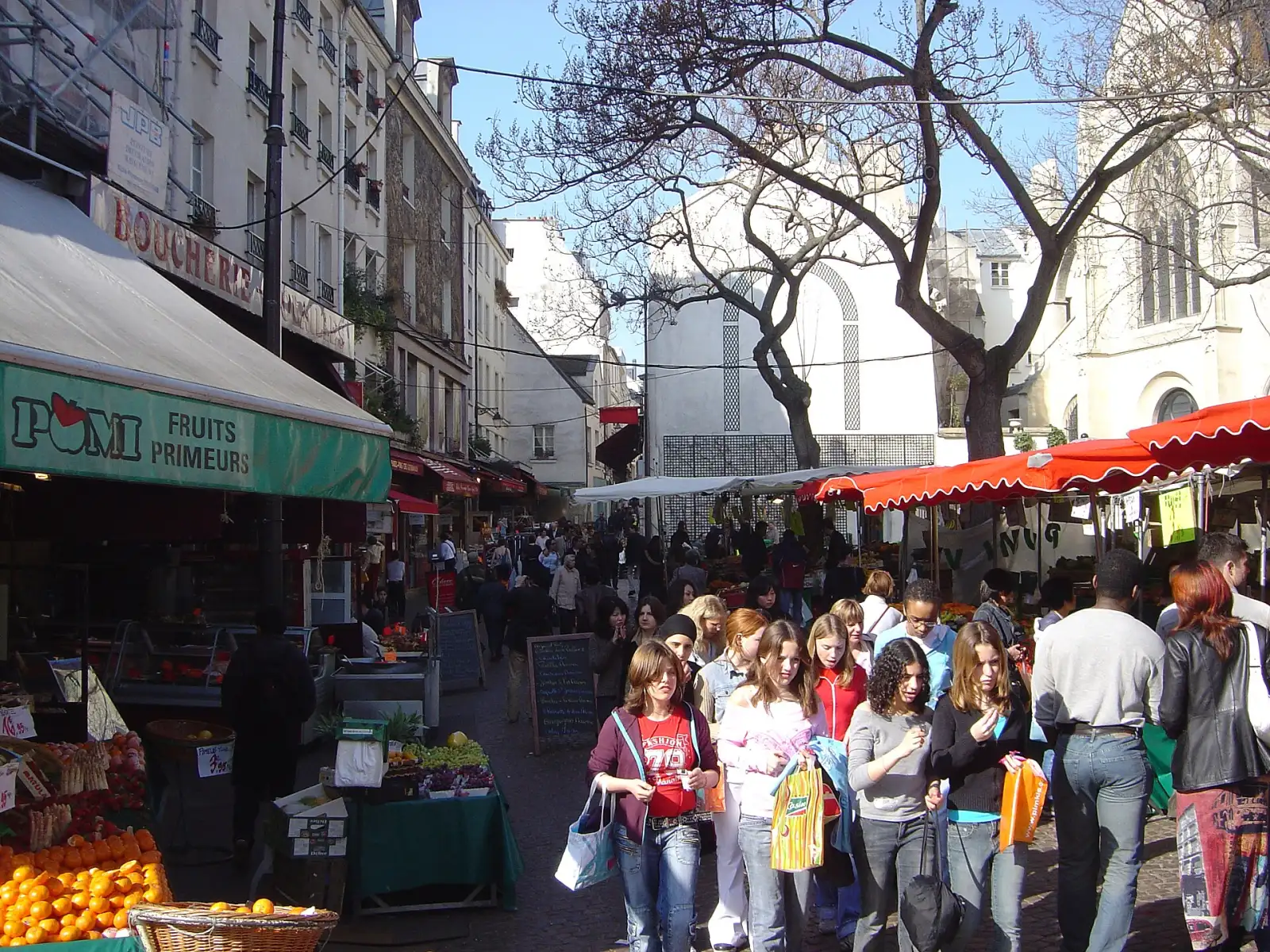
Markets, some boulangeries and bar-tabacs, small rural businesses, and anywhere with a card minimum you do not want to meet.
Everywhere else, contactless included — shops, restaurants, museums, transport machines, motorway tolls.
A small float of coins and €10s and €20s. Nothing more: a large cash reserve is money you will convert back at a loss.
Non-bank ATMs in tourist streets, and the conversion offer they push. Withdraw at a bank machine and always choose euros.
The money itself
- €5Grey
- €10Red
- €20Blue
- €50Orange
- €100Green
- €200Yellow-brown
1, 2, 5, 10, 20 and 50 cents, then €1 and €2. Every coin is legal tender across the whole euro area whatever national design is on the back, so change collected in one country spends fine in the next.
The high notes are the awkward ones. A €200 or €100 note is legal tender and still gets a sigh in a bakery, and some small businesses will refuse them outright rather than empty the till. If a cash machine offers a choice of denominations, take the €20s.
Every way to pay, and whether it works for a visitor
Whether a payment method exists in France and whether you can use it are different questions. This table answers the second one: no local bank account, no local SIM, no residency.
Visa / Mastercard
WorksUniversal, including contactless, in shops, restaurants, museums, SNCF machines and motorway tolls. French cards run on the domestic CB network alongside the international ones; yours simply works as a Visa or Mastercard.
Apple Pay / Google Pay
WorksAccepted anywhere contactless is, and better than the plastic in one specific way: the €50 contactless cap applies to the card, not to a phone, because the biometric check counts as verification. A phone pays for the whole restaurant bill without touching a PIN pad.
Cash (euros)
WorksNever refused, and still the way markets, some bakeries, small bars and village businesses work. Cash payments are capped at €1,000 for French residents and €15,000 for visitors resident abroad — a limit you will not meet buying lunch, but one that exists.
American Express
Works, with a catchFine in hotels, department stores, chains and airports; regularly refused in ordinary restaurants and small shops. Workable as a second card, painful as the only one.
Wero, Lydia and French bank apps
Residents onlyWero is the European wallet French banks are moving to, and Lydia is what people used before it. Both are tied to a euro-area bank account in your own name, so they are not a route in for a visitor — and nothing here needs them.
Cheques
Not acceptedFrance still uses them domestically, and a foreign one is of no use to anyone. Mentioned only because visitors occasionally see the chequebook come out and wonder.
Cash
France is card-first with a hard floor. You can spend a fortnight here without touching cash — until a market stall, a boulangerie at 7am, a bar-tabac or a village restaurant makes the point that cash still exists. A modest float covers all of those and stops the day going sideways.
The specific thing to plan for is the card minimum. Plenty of small businesses set one — commonly somewhere between €5 and €15, posted by the till — because the card fee on a €3 coffee is not worth their while. It is legal, it is normal, and it is the main reason to carry coins and small notes rather than a big reserve.
Do not over-withdraw. Euros left at the end of a trip are only a problem if you converted at a rate to get them, and the surest way to lose money in a card-first country is to take out a large float you never spend.
Cards
Contactless is the default and the ceiling is €50 per tap. Above that a French terminal asks for the chip and PIN, which is worth knowing if your card is signature-only or your PIN has gone stale from disuse. Paying by phone sidesteps the cap entirely, because the fingerprint or face check satisfies the verification requirement that the €50 limit exists to enforce.
American Express is the acceptance gap. Hotels, department stores and chains take it; a neighbourhood restaurant frequently will not. Diners and Discover are worse. Carry a Visa or Mastercard as the card you rely on and treat anything else as a bonus.
Terminals in tourist areas increasingly offer to bill you in your own currency. That is dynamic currency conversion — the merchant's processor sets the rate instead of your card network, and it is always worse. Choose euros, every time, on the terminal and at the cash machine.
ATMs
French bank ATMs — BNP Paribas, Société Générale, Crédit Agricole, LCL, La Banque Postale — generally do not levy their own surcharge on a foreign card, which makes France one of the cheaper countries in Europe to withdraw in. What your own bank charges is a separate matter and the one to check before you travel.
The machines to avoid are the independents. Euronet and similar operators put bright yellow machines in exactly the places tourists walk, charge a few euros per withdrawal, and push the conversion offer hard with a screen designed to make declining look risky. A bank branch machine a street away costs less and asks fewer questions.
Whatever machine you use, take euros, decline conversion, and prefer one larger withdrawal to several small ones if any fee is involved at all.
Changing money
There is very little reason to change cash here. Withdrawing euros from a bank ATM on arrival beats a bureau de change in almost every case, and the exchange counters clustered around stations and tourist sights price for footfall rather than competition.
If you are arriving with another currency in hand, change a small amount for the first day and get the rest from a machine. Airport bureaux are the most expensive place to do it and the least necessary, given every terminal has bank ATMs.
Leftover euros are the easiest currency in the world to hold onto for a future trip, so there is no rush to convert them back — and converting back is where the spread bites twice.
Costs that are not the price
Service is already included
French law folds service into menu and bar prices — service compris — so the bill you are shown is the bill. Tipping is genuinely optional on top: rounding up, or a couple of euros for a good meal. Nobody is working for tips here in the way they are in the United States.
The card minimum
Small businesses commonly refuse cards below a posted minimum, often €5 to €15. It is displayed at the till rather than announced, so glance before you order if cash is going to be a problem.
Taxe de séjour
Almost every commune levies a per-person, per-night tourist tax on accommodation. Booking platforms sometimes include it and sometimes do not, so it can appear as a small extra collected at check-in or check-out.
You can reclaim VAT if you live outside the EU
Spend at least €100 in a single shop on the same day, ask for a détaxe form, and validate it at a PABLO kiosk at the airport before you fly. Residents of another EU country cannot claim, and the refund arrives after the operator's cut rather than at the full 20%.
Paying for transport
Paris will not take your bank card at the gate
Unlike London, Madrid or Barcelona, the Paris metro has no general open-loop contactless: as of 2026 direct bank-card entry exists only in a couple of places, with a network-wide rollout still years out. Buy tickets in the Île-de-France Mobilités or Bonjour RATP app, or load a Navigo Easy card at a machine — the machines themselves take your card happily.
Trains and long distance
SNCF sells everything by card, online and at station machines, and a foreign card works. Book ahead for TGV: it is a yield-managed fare, so the same seat costs several times more on the day.
Taxis and rides
Paris taxis are obliged to take cards and mostly do; app rides are paid in the app. Outside the big cities, a rural taxi may still prefer cash, and it is worth asking when you book rather than when you arrive.
What you may carry in and out
Cash payment caps
Paying in cash is capped at €1,000 where the payer is tax-resident in France, and €15,000 where the payer lives abroad. It applies to the payment, not to what you carry, and only really matters for something large like a piece of jewellery or a second-hand vehicle.
Carrying cash across the EU border
Entering or leaving the European Union with €10,000 or more in cash means declaring it to customs. Travel between EU countries does not require a declaration, though carrying that much still invites questions.
Common questions about money in France
Do I need cash in France?
A little. Cards cover almost everything, but markets, some bakeries, bar-tabacs and small rural businesses are cash, and plenty of small merchants set a card minimum of roughly €5–15. A modest float of coins and small notes is enough; a large cash reserve is unnecessary.
What is the contactless limit in France?
€50 per transaction with a physical card, after which the terminal asks for chip and PIN. Paying with a phone or watch has no such cap, because the biometric check counts as strong verification — so Apple Pay or Google Pay will clear a restaurant bill that a tapped card would refuse.
Is American Express accepted in France?
Patchily. Hotels, department stores, chains and airports take it; ordinary restaurants and small shops often do not. Bring a Visa or Mastercard as your main card.
Are there ATM fees in France?
French bank machines generally do not add their own charge for a foreign card, which makes France one of the cheaper places in Europe to withdraw. Independent machines in tourist areas — Euronet and similar — charge a few euros and push dynamic currency conversion. Use a bank's own ATM and always choose to be charged in euros.
Can I use Apple Pay in France?
Yes, anywhere contactless is accepted, which is nearly everywhere. It is also the practical way around the €50 card tap limit, since a phone payment is verified biometrically and is not subject to it.
Can I tap my bank card on the Paris metro?
Not in general. Paris has no network-wide open-loop contactless as of 2026 — only a couple of isolated locations — so buy tickets through the Île-de-France Mobilités or Bonjour RATP app, or load a Navigo Easy card. The ticket machines accept foreign cards.
Should I tip in France?
Only if you want to. Service is included in the price by law, so the printed bill is complete. Rounding up or leaving a couple of euros for good service is normal; a percentage tip is not expected.
Where these figures come from
Checked against the following on . Fees and thresholds move; where a figure varies by bank or by machine, this page gives the range rather than inventing a single number.