Travel money
Travel money in Peru: cash or card?
Cash in the highlands, cards in the cities, and one piece of paperwork worth real money: foreign visitors are exempt from the 18% tax on hotel rooms if the passport and entry record are presented at check-in.
Peruvian sol (PEN, S/) · figures checked against the sources at the foot of this page
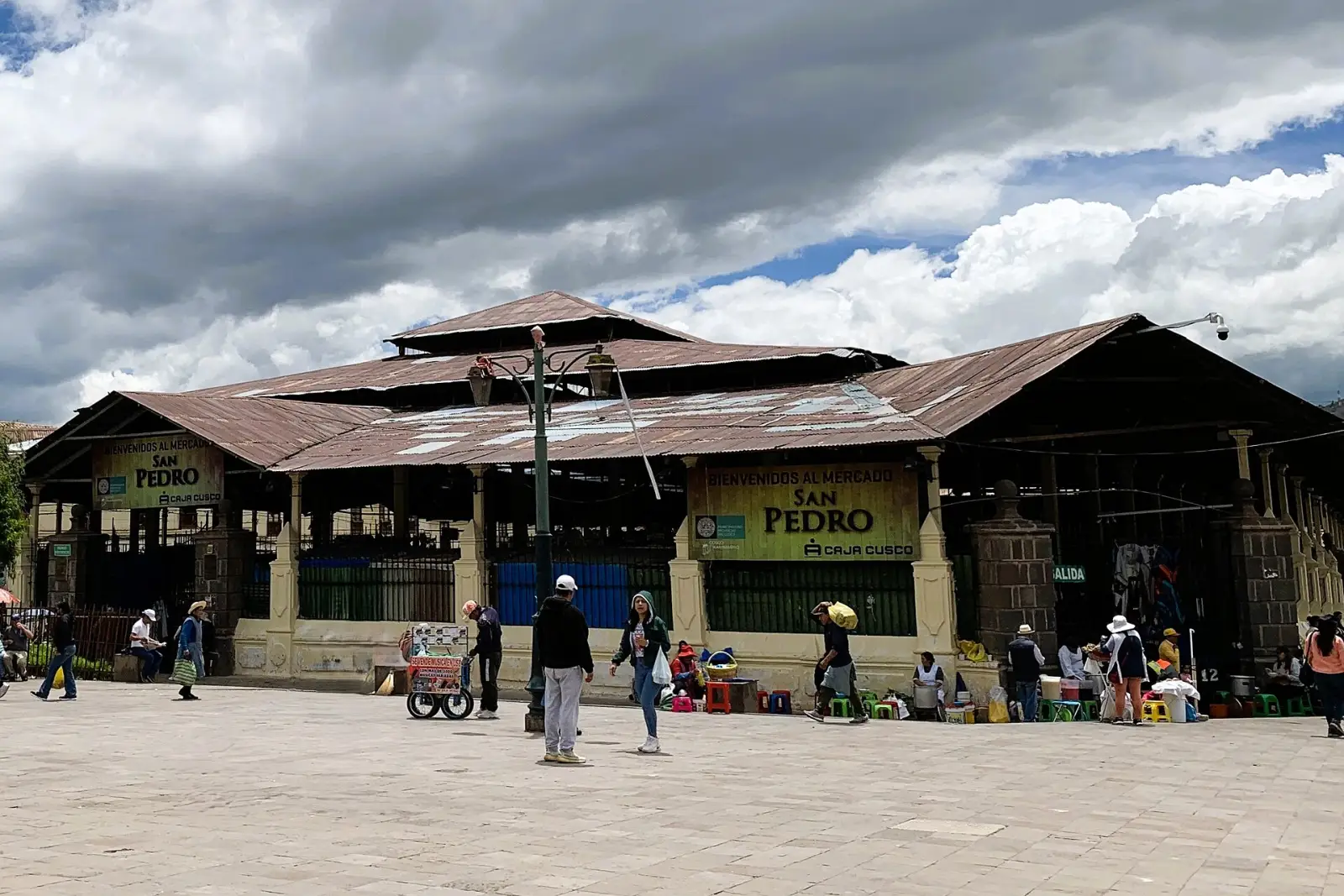
Markets, colectivos, small restaurants, the Sacred Valley, trekking towns and every tip.
Hotels, restaurants and supermarkets in Lima, Cusco and Arequipa, and the bigger tour operators.
A working float in 10, 20 and 50 sol notes. Small denominations matter far more than the total.
Damaged notes. A torn or heavily marked bill — soles or dollars — is refused outright here.
The money itself
- 10 S/Green
- 20 S/Orange-brown
- 50 S/Purple
- 100 S/Blue
- 200 S/Pink
10, 20 and 50 céntimos, then 1, 2 and 5 soles. Coins are genuinely useful — a colectivo, a market purchase, a toilet at a bus terminal — and the 1 and 2 sol coins are the ones you will use most.
Condition matters more here than almost anywhere. A note with a tear, a taped repair or heavy marking is refused by shops, taxis and even banks, and that applies to US dollars as much as to soles. Check what you are handed as change and refuse damaged notes at the moment rather than discovering the problem later. Counterfeit soles circulate too, which is why vendors hold notes up to the light.
Every way to pay, and whether it works for a visitor
Whether a payment method exists in Peru and whether you can use it are different questions. This table answers the second one: no local bank account, no local SIM, no residency.
Cash (soles)
WorksThe default outside city centres and the only thing that works at markets, on colectivos, in small restaurants, in the Sacred Valley and in trekking towns. Small notes and coins do the work.
Visa / Mastercard
Works, with a catchFine at hotels, restaurants, supermarkets, museums and larger tour operators in Lima, Cusco and Arequipa, with contactless increasingly common. Outside those, assume cash.
US dollars
Works, with a catchWidely recognised and accepted by hotels and tour operators, often at a rate of their choosing, with change in soles. Notes must be pristine — the same tear rule applies, and more strictly. Bring them to exchange rather than to spend.
Apple Pay / Google Pay
Works, with a catchWorks where a contactless terminal exists, which means city chains and hotels. Not a plan on its own.
Yape and Plin
Residents onlyThe QR wallets Peruvians use for nearly everything, including market stalls. Both need a Peruvian bank account and identity document, so a visitor cannot register — which is why cash still matters so much here.
Uber / Cabify / inDrive
WorksAll operate in Lima and other cities, take a foreign card in the app and quote the fare in advance — worth using instead of negotiating with a street taxi, particularly at night.
Cash
Peru is a cash country with card islands in the cities. Lima's smarter districts, Cusco's centre and Arequipa take cards comfortably; the market two streets away, the colectivo to the next town, the guesthouse in the valley and the woman selling bread at a trailhead do not.
Denominations are the practical problem. A 100 or 200 sol note is difficult almost everywhere outside a supermarket, and machines are happy to give you them. Break notes whenever you are somewhere that can, and keep a stock of 10s and 20s for the day.
Withdraw from bank machines rather than the independent ones in tourist streets, and watch for the fee: Peruvian banks charge foreign cards a meaningful amount per withdrawal and the independents charge more.
Cards
Card acceptance in the cities is decent and improving, with contactless in chains and hotels. Below that it thins quickly, and in the highlands it disappears.
Two habits are worth knowing. Terminals often ask whether you are paying in soles or dollars — always soles. And some businesses ask which card network before taking payment, since acceptance varies more by network here than in most countries; Visa is the safest to carry.
Decline dynamic currency conversion at terminals and machines, and check receipts: a payment quoted in dollars at a tour agency is usually the agency's own conversion rather than your bank's.
ATMs
Bank machines — BCP, Interbank, BBVA, Scotiabank — charge a disclosed fee per foreign-card withdrawal, typically in the range of eighteen to thirty-six soles, and the independent Globalnet machines in tourist areas charge more.
Many machines dispense both soles and US dollars, which is worth noticing before you confirm: take soles unless you specifically want dollars, and expect the machine to offer you 100 sol notes you will struggle to break.
Use machines inside branches, supermarkets or malls rather than on the street, and decline any offer to convert the amount into your home currency.
Changing money
Casas de cambio in Lima and Cusco are competitive, quick and generally better than banks or hotels, and the street changers in vests are licensed in some districts — though a bureau with a counter is the simpler choice.
Bring dollars in pristine condition. A note that is torn, taped, marked or from an older series will be refused or discounted heavily, and there is no arguing the point.
Count what you receive before leaving the counter and check the notes themselves — counterfeit soles are common enough that Peruvians examine every large note they are handed, and doing the same is unremarkable rather than rude.
Costs that are not the price
Foreign visitors do not pay the 18% tax on hotel rooms
Non-resident visitors staying under 60 days are exempt from IGV on accommodation. Hotels apply it by taking your passport and entry record at check-in — some do it automatically, some need reminding, and some quietly charge it. Ask when you book and again at the desk: on a two-week trip it is real money.
Tipping is around 10%
Restaurants: 10% where no service charge appears, and smarter places sometimes add one. A few soles for porters and drivers. Trekking crews are the exception — guides, cooks and porters on the Inca Trail and Salkantay are tipped meaningfully at the end, usually pooled and in cash, and the amount is worth agreeing with your group beforehand.
IGV is inside other prices
Outside accommodation, the 18% tax is included in what is displayed, so a menu or shelf price is the price you pay.
Site tickets and the boleto turístico
Cusco's combined ticket covers a set of sites and is bought in person, and Machu Picchu tickets are bought online in advance by card with a fixed daily quota. Neither is something to leave to the day; both are separate from what a tour quotes you.
Paying for transport
Colectivos and combis are coins
Shared vans and minibuses on fixed routes are the cheap way to move locally, paid in cash to a conductor who cannot change a large note. Small coins and 10 sol notes are what this needs.
Long-distance buses are booked by card
Cruz del Sur, Oltursa and the other quality operators sell online and take cards at terminals. The price difference between the comfortable operators and the cheap ones reflects a real difference in safety on mountain routes.
Trains and internal flights
PeruRail and IncaRail to Machu Picchu sell online by card and sell out in high season. Domestic flights are booked by card and are the practical way to cover the distances between Lima, Cusco and Arequipa.
What you may carry in and out
Declaring cash
More than USD 10,000 or the equivalent must be declared to customs on entry and exit, and amounts above USD 30,000 may not be carried in cash at all.
Soles do not travel
There is little market for soles abroad. Spend down or change back before you fly, and keep the coins for the airport rather than the drawer at home.
Common questions about money in Peru
Do tourists pay tax on hotels in Peru?
No — foreign visitors staying under 60 days are exempt from the 18% IGV on accommodation. The hotel applies the exemption against your passport and entry record at check-in. Some do it automatically, others need asking, so raise it when booking and again at the desk.
Why was my banknote refused in Peru?
Because it was damaged. Notes with tears, tape, holes or heavy marking are refused by shops, taxis and banks alike, and the rule applies to US dollars as strictly as to soles. Check your change at the moment you receive it and hand back anything damaged.
Do I need cash in Peru?
Yes, daily. Cards work in city hotels, restaurants, supermarkets and larger tour operators, but markets, colectivos, small restaurants, the Sacred Valley and trekking towns are cash. Carry 10s and 20s rather than the 100s a machine gives you.
Can tourists use Yape or Plin?
No. Both need a Peruvian bank account and identity document. They are how Peruvians pay for almost everything, including at market stalls, which is exactly why a visitor still needs cash.
How much are ATM fees in Peru?
Roughly S/18–36 per withdrawal at bank machines, and more at the independent Globalnet machines in tourist areas, on top of your own bank's charges. Many machines offer both soles and dollars — take soles, and decline the conversion offer.
How much should I tip in Peru?
Around 10% in restaurants where no service charge is added, and a few soles for porters and drivers. Trekking crews are the significant exception: guides, cooks and porters are tipped properly at the end of a trek, in cash, usually pooled by the group.
Should I bring US dollars to Peru?
Some, in pristine condition, to exchange. Hotels and tour operators will take them at their own rate with change in soles, which is a worse deal than changing at a casa de cambio. Damaged or older-series notes will be refused outright.
Where these figures come from
Checked against the following on . Fees and thresholds move; where a figure varies by bank or by machine, this page gives the range rather than inventing a single number.