Travel money
Travel money in Greece: cash or card?
Cash still feels normal here and the law is steadily narrowing it: anything over €500 to a business has to be paid electronically, and card terminals are now compulsory. Bring a card, and watch which machine you take cash from.
euro (EUR, €) · figures checked against the sources at the foot of this page
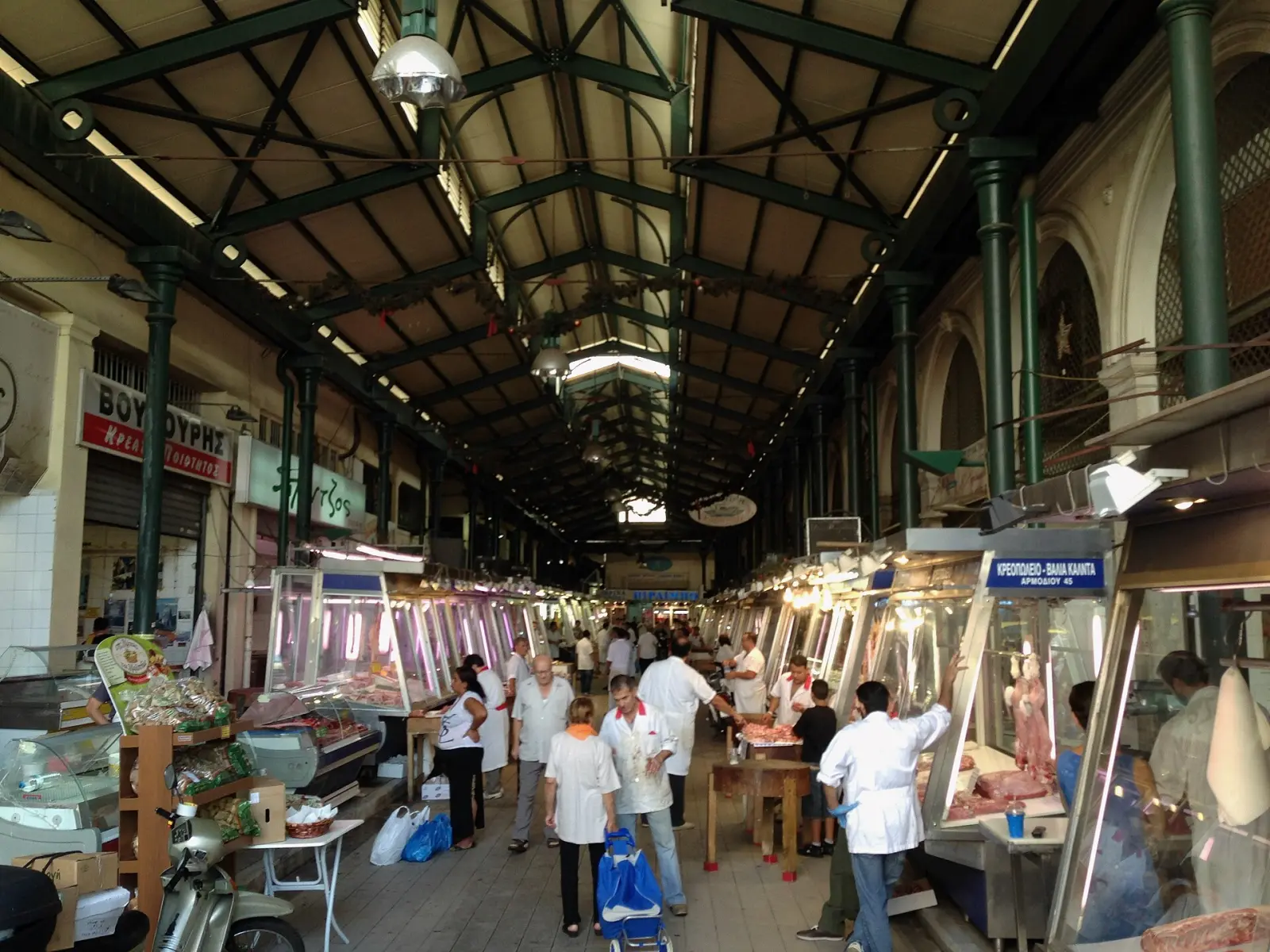
Tavernas off the main square, kiosks, markets, small island businesses, and anything under a few euros.
Hotels, restaurants, supermarkets, ferries, museums and Athens transport. Terminals are now legally required.
A working float — more on the islands than in Athens — plus a card for anything above €500, which must be electronic.
Euronet machines. On the islands they are often the only ones you see, and they charge the most and push conversion.
The money itself
- €5Grey
- €10Red
- €20Blue
- €50Orange
- €100Green
- €200Yellow-brown
1, 2, 5, 10, 20 and 50 cents, then €1 and €2. Every coin is legal tender across the whole euro area whatever national design is on the back, so change collected in one country spends fine in the next.
Small businesses dislike large notes, and on the islands a €50 for a €6 frappé can genuinely be a problem in the morning before the till has filled. Break big notes at a supermarket or a petrol station and keep €10s and €20s for tavernas and kiosks.
Every way to pay, and whether it works for a visitor
Whether a payment method exists in Greece and whether you can use it are different questions. This table answers the second one: no local bank account, no local SIM, no residency.
Visa / Mastercard
WorksAccepted broadly and increasingly by legal requirement — card terminals are now mandatory across the trades, and refusing card payment is an offence rather than a preference. Contactless is standard.
Cash (euros)
WorksAccepted everywhere, and still the natural choice for kiosks, small tavernas and island businesses. It has a hard ceiling, though: paying a business more than €500 in cash is not allowed, and the penalty falls on both sides.
Apple Pay / Google Pay
WorksWorks at contactless terminals, which by now is most of them, and clears above the €50 card tap ceiling without a PIN.
IRIS
Residents onlyThe Greek instant-payment system, which businesses are now required to accept. It runs off a Greek bank account, so a visitor cannot use it — but every business that takes IRIS also takes cards.
American Express
Works, with a catchHotels, larger restaurants and tourist businesses; small tavernas and kiosks rarely. Bring a Visa or Mastercard as well.
Cash
Greece is the most cash-comfortable country in this European set, and it is being legislated in the other direction. Businesses must now have a card terminal, refusing a card is an offence, and any single payment to a business above €500 has to be electronic — a rule aimed at the domestic grey economy that a visitor meets when paying for a week's villa or a big dinner.
In practice, cash still smooths the small end: the kiosk, the bakery, the taverna two streets off the square, the man with the boat. On the islands especially, having notes means never being the person whose card is the problem.
Take cash out in the towns rather than the villages. Island cash machines run out on summer weekends, and when they refill they are often the expensive ones.
Cards
Card acceptance has climbed steeply since terminals became compulsory, and contactless is standard: hotels, supermarkets, restaurants, ferry operators, museums and Athens transport all take cards without hesitation.
The friction that remains is at the bottom of the market — a small taverna may still prefer cash for €12, and it may quietly say the machine is not working. Above €500 it has no choice: that payment has to be electronic by law.
Decline dynamic currency conversion everywhere. In a country where a large share of card payments are made by visitors, the offer to bill you in your home currency comes up constantly, at terminals and cash machines alike, and it is always the worse rate.
ATMs
Greek banks charge foreign cards a withdrawal fee, typically a couple of euros, disclosed on screen before you confirm. That is the cheap option. The expensive one is Euronet, which has blanketed tourist areas and much of the island network with its yellow machines, charges more, and presents the conversion offer in a way designed to be accepted.
On smaller islands Euronet may be the only machine in the village, which is exactly the situation to plan around: withdraw at a bank branch in the port town or in Athens before you travel out.
Whichever machine you use, always choose to be charged in euros, and take out enough to see you through the weekend — island machines empty out in August.
Changing money
There is no reason to change cash in Greece. Bank machines are cheaper than the exchange counters that cluster around Monastiraki and the ports, and cards cover the rest.
Arriving from outside the euro area, take a modest amount from a bank machine at the airport and skip the bureaux entirely.
Leftover euros keep their value for the next trip, and there is no sensible reason to convert them back.
Costs that are not the price
The climate crisis resilience fee
Greece charges a per-night accommodation levy that varies by property type and season — from around €0.50 a night for simple rooms out of season to €15 for luxury hotels in summer. It is charged per room rather than per person and is collected at the property, not by the booking site.
Tipping is modest
Round up, or leave 5–10% after a good meal. Some tavernas add a small service charge; where they do, extra is not expected. Leaving coins on the table is normal and welcome.
The bread and water on the table
Bread is usually charged as a small per-person cover, and bottled water is a line on the bill. Both are normal and both appear on the menu — tap water is fine in Athens and much of the mainland, less so on some islands.
You can reclaim VAT if you live outside the EU
Minimum spend is €50 in one shop on the same day. Get the form at the till and have it validated before check-in at the airport. The refund arrives after the operator's cut rather than at the full 24%.
Paying for transport
Athens takes your bank card
Tap2Ride accepts contactless bank cards and phone wallets on the metro, tram, bus and trolleybus, with the daily total capped at the price of a day pass automatically. Nothing to buy in advance and no paper ticket to validate.
Ferries are booked by card
Every major operator sells online and takes cards on board. Book ahead in July and August, when the popular routes sell out, and keep the booking reference — some routes still want a paper ticket collected at the port.
Taxis and island transport
Athens taxis take cards, and are required to. Island taxis and buses are frequently cash, fares are often fixed by route rather than metered, and agreeing the number before you set off is normal practice.
What you may carry in and out
The €500 cash ceiling
Payments to a business for goods or services above €500 must be made by card, transfer or another electronic method. Splitting a larger bill into smaller cash payments to get under it is treated as avoidance, and fines apply to the customer as well as the business.
Carrying cash across the EU border
€10,000 or more entering or leaving the European Union must be declared. Greek customs enforce this at the airports and the ports, including on the routes to and from Turkey and Albania.
Common questions about money in Greece
Do I need cash in Greece?
Some, particularly on the islands. Cards are accepted widely and terminals are now legally required, but kiosks, small tavernas and village businesses still run on cash, and island cash machines can empty out in high season. Carry a working float and take it out in the towns rather than the villages.
Is there a cash payment limit in Greece?
Yes — €500. Any payment to a business for goods or services above that has to be made by card, transfer or another electronic method, and deliberately splitting a bill to stay under it is penalised. It applies to villa rentals and large restaurant bills as much as to anything else.
Can shops in Greece refuse my card?
They are not supposed to. Card terminals are now compulsory across the trades and refusing card payment is an offence rather than a business decision. Small tavernas do still push for cash, but above €500 they have no discretion at all.
Are Euronet ATMs in Greece worth avoiding?
Yes, where you have a choice. Euronet charges more than a Greek bank's own machine and presents dynamic currency conversion in a way designed to be accepted, which costs several percent on top. On small islands it may be the only machine available, so withdraw at a bank in the port town or in Athens before you travel out.
Can tourists use IRIS in Greece?
No. IRIS is Greece's instant-payment system, tied to a Greek bank account, and businesses are now required to accept it. Every business that takes IRIS also takes cards, which is what a visitor uses.
Can I tap my bank card on the Athens metro?
Yes. Tap2Ride takes contactless bank cards and phone wallets on the metro, tram, bus and trolleybus, and caps your daily spend at the price of a day pass automatically.
What is the tourist tax in Greece?
The climate crisis resilience fee, charged per room per night by the accommodation. It ranges from around €0.50 for simple rooms out of season to €15 a night for luxury hotels in summer, and it is collected at the property rather than included in what you paid online.
Where these figures come from
Checked against the following on . Fees and thresholds move; where a figure varies by bank or by machine, this page gives the range rather than inventing a single number.